
January 22, 2026
4 Ways to Plan Your Writing
Few people can sit down and start writing. Most of us hem and haw as we mentally walk through how to get from introduction to conclusion. It’s called ‘prewriting’ and everyone does it. What differs is the method–what best suits our communication style?
Here are four approaches I’ve seen work for writer friends:
 Brainstorm/Mindmap
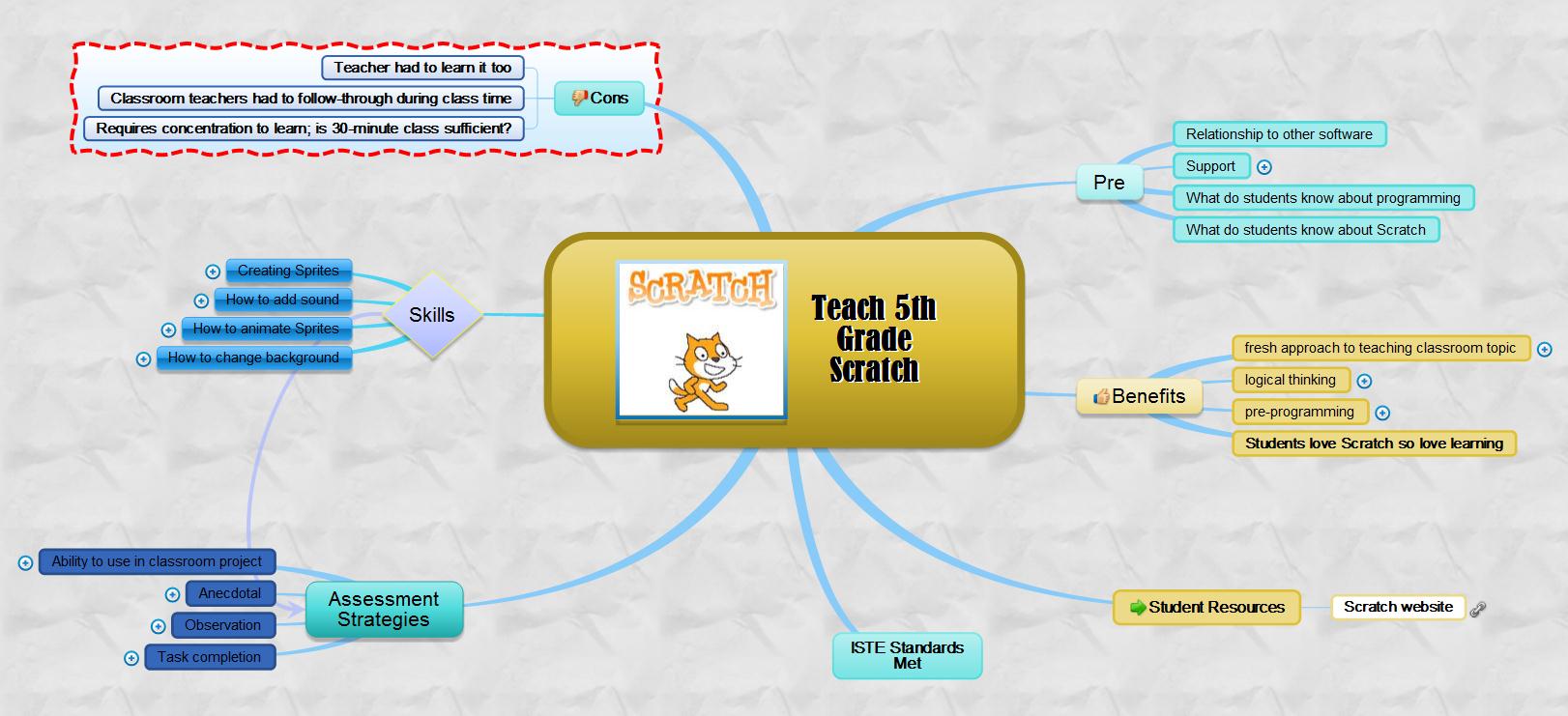
Brainstorming, also called ‘mindmapping’, is a visual approach for collecting all the bits of a topic that may find relevance in the fullness of your manuscript. It enables writers to come up with many ideas without worrying about where they fit, leaving that for the writing process.
Here are basics for brainstorming your novel:
- There are no wrong answers.
- Get as many ideas as possible.
- Don’t evaluate ideas–just record them.
- Build on the suggestions of others (if you’re doing this as part of a critique group or writer’s workshop).
- Stress quantity over quality–get as many ideas as possible. Sort them later.
There are many online tools that facilitate this process.
Timeline
Timelines are graphical representations of a sequence of events over a period of time. Researching and creating timelines appeals to the visual, mathematic, and kinesthetic intelligences in a writer’s mental toolbox. They are critical to developing the story’s temporal flow, making sure events are in the proper order, with necessary scaffolding.
They can be created in:
- a desktop publishing tool like Publisher or Canva
- an online tool
- a spreadsheet program
Popular options include MS Publisher, Google Sheets, or Excel. Here’s an example of my novel’s timeline:

Outline
Outlines are a tried-and-true approach to organizing knowledge on a topic. They:
- summarize important points
- encourage a better understanding of a topic
- promote reflection
- assist analysis
Once a general outline is established, they are a valuable method of curating thoughts on subtopics of a theme.
Outlines can be completed easily and quickly in most word processing programs (using bullet or numbered lists) or a note-taking tool like Evernote or OneNote.
 Digital note-taking

Note-taking not only collects information, but power boosts learning. Consider this from the 2008 Leadership and Learning Center:
In schools where writing and note-taking were rarely implemented in science classes, approximately 25 percent of students scored proficient or higher on state assessments. But in schools where writing and note-taking were consistently implemented by science teachers, 79 percent scored at the proficient level.
Regardless of whether you write fiction or non-fiction, note-taking is an important approach to remembering and activating knowledge. This includes quickly jotting ideas down as well as the extensive note-taking employed during your novel’s research. Doing this digitally allows you to rearrange, edit, and move thoughts into the order best-suited to the writing phase.
There are lots of digital note-taking tools that are both web-based or for iPads.
How do you organize your thoughts and research in preparation for writing?
